
Mortgage articles for buyers in NC, SC, and Georgia.
Short, straight-talk posts on the questions buyers actually ask. No fluff, no rate promises, no jargon for jargon’s sake.
Showing 47 articles
-
 First-Time Buyers
FHA Down Payment in Richmond Hill, GA: What First-Time Buyers Need to Know
FHA loans require as little as 3.5% down in Richmond Hill, GA, and down payment assistance programs may cover that cost. Here is what first-time buyers need to know before applying.
Read article -
 Loan Programs
FHA Loan Limits in South Carolina for 2026, by County
HUD set the 2026 FHA loan limit at $541,287 for most South Carolina counties, with higher limits in the Charleston and Hilton Head MSAs. See every county's figures and learn what the limit actually caps.
Read article -
 Loan Programs
Conventional Loan Down Payment Requirements in North Carolina
Conventional loans in North Carolina allow down payments starting at 3% for eligible buyers, but the right amount depends on your savings, PMI tolerance, and cash-to-close budget. Here is what you need to know before you decide.
Read article -
 Loan Programs
FHA Loan Requirements in South Carolina: Credit, Down Payment, DTI, and More
FHA loans in South Carolina require a 580 credit score for 3.5% down, allow back-end DTI up to 56% with automated approval, and must follow HUD property standards and SC attorney closing rules. Here is what buyers in Charleston, Greenville, and Columbia need to know.
Read article -
 Loan Programs
USDA Home Loans in North Carolina: Eligibility, Income Limits, and Eligible Areas
USDA loans offer zero-down financing for eligible buyers in qualifying North Carolina locations. Learn how the property map, income limits, and credit guidelines work before you apply.
Read article -
 Loan Programs
USDA Home Loans in South Carolina: Eligibility, Income Limits, and Eligible Areas
USDA loans offer zero-down financing for eligible homes in rural and suburban South Carolina. Learn how to check property eligibility, find your county income limit, and understand the costs involved.
Read article -
 Market & Local
Rental Portfolio Loans in Upstate South Carolina and Columbia: Blanket, DSCR, and Conventional
Investors with multiple rentals across Greenville, Spartanburg, and Columbia have three main financing paths: blanket portfolio loans, individual DSCR loans, and conventional financing up to the ten-property limit. Here is how to think through which structure fits your portfolio.
Read article -
 Loan Programs
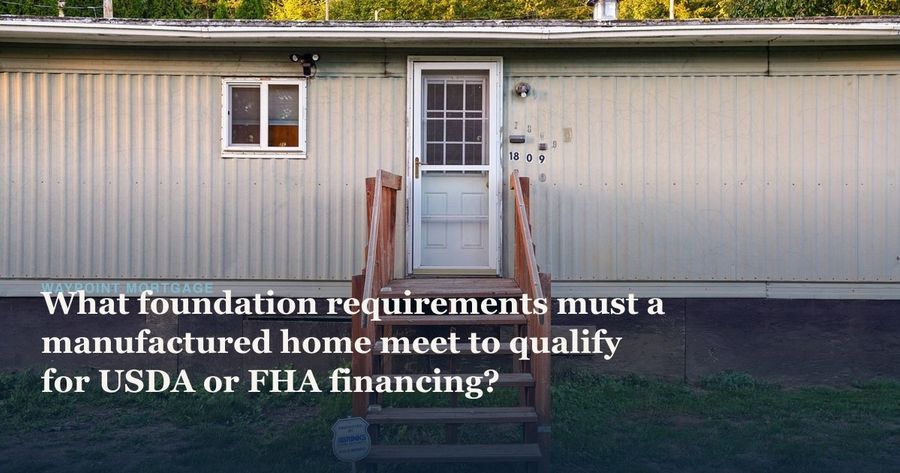
USDA and FHA Manufactured Home Foundation Requirements: What Buyers Need to Know
USDA and FHA both require manufactured homes to meet HUD's Permanent Foundations Guide, carry a valid engineer certification, and be titled as real property. Here is what that means in practice before you make an offer.
Read article -
 Loan Programs
Modular Home Loans in South Carolina: FHA, USDA, VA, and Conventional Options Explained
Modular homes in South Carolina are built to state building code and financed like site-built homes. Here is how FHA, USDA, VA, and conventional programs approach modular construction, from completed homes to construction-to-permanent loans.
Read article -
 Loan Programs
Reverse Mortgage HECM Basics: What Homeowners 62+ in NC, SC, and GA Need to Know
A HECM reverse mortgage lets eligible homeowners 62 and older tap home equity without a required monthly mortgage payment, but the balance grows over time and ongoing obligations remain. Here is a plain-English breakdown of how it works in North Carolina, South Carolina, and Georgia.
Read article -
 Loan Programs
Non-QM Loans Explained: Who They Fit and How They Work in NC, SC, and GA
Non-QM loans offer an alternative path to homeownership or investment property financing for self-employed borrowers, real estate investors, and buyers whose income does not fit standard documentation requirements. Learn how bank statement, DSCR, and asset depletion programs work and what trade-offs to expect.
Read article -
 Loan Programs
Manufactured Home Loans in NC and SC: FHA, VA, USDA, and Conventional Financing Explained
Financing a manufactured home in North Carolina or South Carolina involves specific rules around foundations, HUD tags, and property titling. Here is how FHA, VA, USDA, and conventional programs approach manufactured housing.
Read article -
 Tips & Advice
HELOC vs Cash-Out Refinance: Which Option Fits Your Situation?
A HELOC lets you tap equity without touching your existing mortgage rate, while a cash-out refinance rolls everything into one new loan. Here is how to think through which option fits your situation.
Read article -
 Loan Programs
Renovation Loans in the Carolinas: FHA 203(k) vs. Fannie Mae HomeStyle Compared
FHA 203(k) and Fannie Mae HomeStyle both combine purchase or refinance financing with renovation costs in one loan. Learn how they differ on project scope, contractor requirements, and timelines across North Carolina, South Carolina, and Georgia.
Read article -
 Market & Local
Condo Financing in Myrtle Beach: Warrantable, Non-Warrantable, and Condotel Basics
Buying a condo in Myrtle Beach involves more than finding the right unit. Whether a building is warrantable, non-warrantable, or a condotel determines which loan programs are available and what your down payment requirements may look like.
Read article -
 Getting Started
How to Buy a New Home Before Selling Your Current One in the Carolinas
Buying a new home before selling your current one is possible in the Carolinas and Georgia, but lenders will count both payments against your debt-to-income ratio. Here is how contingent offers, bridge loans, and HELOCs can help you manage the gap.
Read article -
 Getting Started
Appraisal Came In Low: What to Do Next
A low appraisal does not have to end your home purchase. Here are four practical options to consider, from renegotiating the price to requesting a formal reconsideration of value.
Read article -
 First-Time Buyers
How Much House Can I Afford on My Salary in Charleston, SC?
Wondering how much house your salary can support in Charleston, SC? This guide walks through real DTI examples at several income levels and explains how taxes, insurance, and mortgage insurance affect your monthly payment.
Read article -
 Getting Started
Moving to the Carolinas: A Mortgage Guide for Out-of-State Buyers
Relocating to North Carolina or South Carolina? This guide walks out-of-state buyers through relocation income documentation, remote attorney closings, and realistic timelines for Charlotte, Charleston, and Greenville.
Read article -
 Market & Local
Coastal Homeowners Insurance, Flood, and Wind Coverage: What Carolina and Georgia Buyers Need to Know Before Closing
Buying a coastal home in Charleston, Myrtle Beach, Wilmington, or Savannah means flood insurance, wind deductibles, and elevation certificates all factor into your mortgage. Here is what to know before you make an offer.
Read article -
 Market & Local
Georgia Homestead Exemption for New Homebuyers: Who Qualifies, Deadlines, and How It Affects Your Escrow
The Georgia homestead exemption can reduce your property tax bill, but you must file with your county tax commissioner by April 1 and occupy the home on January 1. Here is what new buyers need to know about qualifying, filing, and how it affects your escrow.
Read article -
 Market & Local
North Carolina Property Tax Revaluation and Your Mortgage Payment
A North Carolina property tax revaluation can raise your escrow payment and create a shortage on your existing mortgage. Here is what buyers in Charlotte and Raleigh need to know before closing.
Read article -
 Market & Local
South Carolina 4% Legal Residence: How It Affects Your Mortgage Escrow
South Carolina taxes primary residences at 4% of assessed value instead of 6%, which can reduce your property tax bill and your monthly mortgage escrow. Here is what SC buyers need to know before and after closing.
Read article -
 Getting Started
How Long Does Mortgage Underwriting Take in North Carolina?
Mortgage underwriting in North Carolina moves through several stages, from initial review to conditional approval to clear-to-close. Here is what to expect at each step and what can slow the process down.
Read article -
 First-Time Buyers
Gift Funds for a Down Payment: What Georgia Homebuyers Need to Know
Planning to use a family gift for your Georgia home purchase? This guide breaks down gift fund rules by loan program so you know exactly what to document before closing.
Read article -
 Loan Programs
FHA Mortgage Insurance Premium Explained for Carolina Homebuyers
FHA loans require two layers of mortgage insurance that affect your monthly payment and long-term costs. Here is how UFMIP and annual MIP work for Carolina homebuyers, and when MIP can end.
Read article -
 First-Time Buyers
Closing Costs for First-Time Buyers in South Carolina: What to Budget Beyond Your Down Payment
First-time buyers in South Carolina need to budget more than just a down payment. This guide explains attorney closing requirements, common fee categories, and strategies to reduce out-of-pocket costs.
Read article -
 Getting Started
Mortgage Timeline Under Contract in Charleston, SC: A Week-by-Week Guide
Going under contract in Charleston starts a structured mortgage timeline. This guide walks you through each stage, from formal application and appraisal to underwriting and attorney closing, so you know what to expect and how to stay on track.
Read article -
 First-Time Buyers
Seller Concessions and Cash to Close in the Carolinas: How Concessions Lower What You Bring to the Table
Seller concessions can significantly reduce the cash you need at closing in North Carolina and South Carolina. Learn how each loan program caps concessions and how to negotiate them effectively.
Read article -
 Tips & Advice
Refinance Break-Even in North Carolina: How to Know If the Numbers Work
Before you refinance in North Carolina, run the break-even math. This guide explains how to compare closing costs to monthly savings so you can decide if the timing makes sense.
Read article -
 Market & Local
First-Time Homebuyer Atlanta Georgia Down Payment: What You Need to Know
Buying your first home in Atlanta starts with understanding your down payment options. This guide covers low-down loan programs, Georgia assistance, and what to budget beyond the down payment.
Read article -
 Self-Employed & Investors
Self-Employed Bank Statement Loans in North Carolina: When Tax Returns Understate Your Cash Flow
Tax returns that understate your cash flow do not have to block your path to homeownership. Bank statement loans offer a documented alternative for self-employed buyers in North Carolina.
Read article -
 Loan Programs
USDA Loan Eligibility in Georgia: Income and Property Location Basics
USDA loans offer no-down-payment financing for eligible Georgia buyers, but both the property location and household income must meet program requirements. Here is what to check first.
Read article -
 Loan Programs
VA Loan Entitlement in South Carolina: What First-Time Buyers Need to Know
VA loan entitlement lets eligible South Carolina veterans buy a home with no down payment and no VA-imposed loan limit. Here is how it works for first-time buyers in Charleston and Greenville.
Read article -
 Loan Programs
FHA Down Payment Requirements in North Carolina: What to Know Before You Buy
FHA loans require a minimum 3.5% down payment for eligible borrowers in North Carolina, but your total cash to close includes closing costs and prepaids too. Here is what to understand before you apply.
Read article -
 First-Time Buyers
First-Time Homebuyer Loan Options in South Carolina, Explained
The real loan options for first-time buyers in South Carolina: low-down programs, credit basics, and honest ways to lower your cash to close.
Read article -
 Market & Local
Buying in Charleston: Flood Zones, Insurance, and Your Mortgage
How flood zones and insurance affect buying a home in Charleston, SC, and what it means for your mortgage. A plain-English guide for Lowcountry buyers.
Read article -
 Market & Local
North Carolina Is an Attorney-Closing State: What That Means for Your Costs
In North Carolina, a real estate attorney handles your closing. Here's what that means for your closing costs and your timeline, explained simply.
Read article -
 Self-Employed & Investors
DSCR Loans for Carolina Rental Investors, in Plain English
A DSCR loan qualifies on the rental property's income, not your personal tax returns. Here's how Carolina investors use them to grow a portfolio.
Read article -
 First-Time Buyers
Gift Funds for a Down Payment: Rules by Loan Type
Family help can cover your down payment if it is documented right. Here is who can give, what the gift letter says, and how each loan type treats gifts.
Read article -
 Loan Programs
The Real Mortgage Timeline in the Carolinas, Week by Week
What actually happens between your accepted offer and closing day in NC and SC, week by week, so nothing catches you off guard.
Read article -
 Loan Programs
VA Loans in NC and SC: What Your Benefit Really Covers
A plain-English guide to VA loans in North and South Carolina: $0 down, no monthly mortgage insurance, the funding fee, and how to use your benefit right.
Read article -
 Loan Programs
FHA vs. Conventional for a First Home in Charlotte: Which Wins?
FHA or conventional for your first home in Charlotte? Here's how they really compare on down payment, credit, and mortgage insurance, in plain English.
Read article -
 Self-Employed & Investors
Self-Employed in the Carolinas? How Underwriters Actually Read Your Tax Returns
Self-employed and worried you can't qualify for a mortgage in NC or SC? Here's how underwriters really read your tax returns, and your options when they understate your income.
Read article -
 Getting Started
Pre-qualified vs. pre-approved: what's the real difference?
Learn the real difference between pre-qualified and pre-approved, and why Carolina sellers take one more seriously than the other.
Read article -
 First-Time Buyers
How much do you really need for a down payment in NC and SC?
The real cash NC and SC buyers need to close: down payment by program, closing costs, prepaids, a cushion, and how state assistance changes the math.
Read article -
 Low Down Payment
Low-down-payment loans: 0%, 3%, 3.5%, and 5% options compared
A plain-English comparison of common low-down-payment paths for Carolina buyers, without rate promises or invented stats.
Read article
Questions the articles didn't answer?
Bring them to a free Mortgage Strategy Session. That is what the call is for.
Keith Lopez, NMLS #2814077 | NEXA Mortgage, LLC, NMLS #1660690 | Licensed in NC, SC & GA | Equal Housing Opportunity